From “Ick” to “Wow” to “Meh”: What Makes or Breaks Brand Love in 2025

We asked a representative sample  across generations —Gen Z, Millennials, Gen X, and Boomer— to tell us what gives them the “ick”, what makes them say “wow!”, and what leaves them feeling “meh.” The results reveal a striking mix of shared expectations and generational divides that define how people judge brands in 2025.

1. Everyone Still Buys on the Basics

Across every generation, price and quality were the top two drivers of brand choice, outranking trendiness, social impact, or even customer experience by wide margins.

  • 72% said price influences their brand choices most.
  • 68% said product quality is the deciding factor.

Even in an era of personalization and purpose-driven messaging, value still rules the day.

Translation: Fancy storytelling won’t save you if your price or product feels off.

2. The "Ick" Factor: Bad Service Tops the List

Bad service was the #1 reason people get turned off by a brand — cited by over two-thirds (67%) of respondents. After that, generational “ick” triggers diverged:

  • Gen Z: Cheap packaging (54%) and copycat branding (48%)
  • Millennials: Greenwashing (57%), cheap packaging (49%), slow service (45%)
  • Gen X: Bad ethics (59%) and slow service (42%)
  • Boomers: Political statements (61%) and slow service (47%)

Each group’s “ick” reflects what they value most: originality for Gen Z, authenticity for Millennials, ethics for Gen X, and neutrality for Boomers.

Translation: “Ick” moments happen when brands violate a generation’s core value.

3. Why People Walk Away

When asked why they stopped buying from a brand, price and quality were the clear dealbreakers:

  • Rising prices: the top reason for Gen Z (44%), Gen X (47%), and Boomers (52%)
  • Declining quality: the leading reason for Millennials (49%)

That tension reveals a split: younger and older consumers are cost-conscious, while Millennials,  a generation defined by brand loyalty, are most likely to walk when quality slips.

4. Recovery Looks Different by Generation

When brands make mistakes, everyone wants accountability. But how they want it differs:

  • Gen Z (39%) want brands to partner with credible third parties to show change.
  • Millennials (42%) want to see brands listen and incorporate feedback.
  • Gen X (48%) want brands to correct mistakes quickly and transparently.
  • Boomers (51%) want brands to take clear accountability without excuses.

It’s a masterclass in generational communication styles: Gen Z looks for credibility, Millennials for dialogue, Gen X for speed, and Boomers for ownership.

5. The "Wow" Factor: Simple, Human, Honest

When it comes to delight, human moments still win. While value remains the baseline expectation for most consumers (61% cited great value for the price), the true “wow” triggers were far more human:

  • Friendly, helpful service (57%)
  • Brands that go above and beyond (44%)

Generationally, the “wow” factor looks like this:

  • Gen Z: Great value for the price (63%)
  • Millennials: Going above and beyond to help a customer (49%)
  • Gen X and Boomers: Fast, friendly, human service (58% and 61%, respectively)

The biggest “wow” driver across all groups? A genuinely great customer experience;  one that is authentic, efficient, and emotionally resonant.

Translation: Consumers don’t want perfection; they want clarity, care, and responsiveness.

6. The "Meh" Zone: When Brands Feel Forgettable

If “ick” repels and “wow” inspires, “meh” simply numbs. Across generations, mediocrity was the main culprit:

  • 52% said “the quality is just okay.”
  • 41% said “the brand just isn’t for me.”
  • 38% said “it overpromises and underdelivers.”

“Meh” isn’t about dislike, but about disconnection. It’s what happens when brands do everything “fine” but nothing memorable.

7. The Generational Pulse

A few final tensions round out the picture:

  • Gen Z and Gen X are largely indifferent when brands take political or social stances (43% and 47% say “I don’t care either way”).
  • Millennials (54%) are more supportive of brand activism.
  • Boomers (62%) prefer brands to stay out of politics entirely.

As for personalization, nearly half of Boomers (49%) and 42% of Millennials said it crosses the line from helpful to “creepy” when it feels like surveillance, or when ads seem to “listen” or data feels harvested without consent.

Gen Z and Gen X, by comparison, were more evenly split: about a quarter of each group cited creepiness when personalization uses information they didn’t knowingly provide or when ads follow them across devices.

In short, personalization delights when it feels intuitive, but repels when it feels intrusive, especially for older generations who expect clearer boundaries.

8. From Indifference to Impact

Across all the data, one truth stands out: Consumers reward clarity, humanity, and consistency, and they punish tone-deafness, manipulation, or mediocrity.

If bad service gives the “ick” and honest communication earns the “wow,” then the “meh” middle is where brands quietly lose the battle for attention.
Estimated Read Time
3 min read

Exploring the Hottest Travel Trends for Summer 2024

Summer is here, and it's time to make the most of the long sunny days and warm nights. 

We surveyed a diverse group of individuals to learn more about their plans for the summer season. Let's dive into the data:


The Sample 

Our respondent sample was modeled after US Gen Pop statistics. Here's a quick overview: 

Gender

The survey had an almost equal split between male (49%) and female (50%)  respondents.


Group 212


Age

The respondents' ages ranged from 18 to 65, with an average age of 46.31.

The majority of participants identified as Gen X (33%), followed by Millennials (32%), Boomers (20%), and Gen Z (14%)


What's Trending in Travel This Summer? 


Domestic Destinations, Road Trips, and Outdoor Adventures will Dominate Summer 2024

According to our study, domestic travel will be hot this summer. Nearly 70% of people are planning a trip to a domestic destination. 


Group 213


This data backs up the prediction by travel industry experts that backyard exploration would be an enduring trend in 2024. To quote Lily Girma, Travel Journalist, in her statement for RoadBook's report The biggest travel trends for 2024, as predicted by industry insiders :


"Few of us could have predicted a war in the Middle East less than two years after the restart of the Ukraine-Russia conflict. Coupled with the soaring cost of travel and inflation, it's likely more travellers will choose to prioritise trips that are closer to home. That doesn't mean they're sacrificing long-haul trips altogether or spending less, but their eye will remain largely on regional destinations…." 


According to our study, road trips are another popular choice, with 55% of people planning to hit the open road this summer. This aligns with both domestic travel trends and the steady uptick in national park visitation, according to Mike Weiss, co-founder and co-CEO of Trail Born. In Roadbook's report The Biggest Travel Trends for 2024, as Predicted by Industry Insiders, Weiss explains; 

"With a significant increase in domestic leisure travel and national park visitation, I'm confident we'll continue to see a rise in road trips and outdoor adventure travel in 2024."


The Family Vacation is Still a Classic

Do you know what else pairs well with road trips and domestic destinations? A good old family vacation!

66% of respondents in our study were planning a family vacation this year. It was far and away, the most popular type of trip people were planning across all age groups. 


Group 214


For reference, couple's vacations came in second with only 25%. 

This is corroborated by Booking.com's data, reporting that "searches for accommodations by families for the summer travel season are already seeing an 8 percent increase as compared to last year.."


Multi-Generational Travel 

Unsurprisingly, family vacations are particularly popular with Gen X (70%- have a family vacation planned) and Millennials (67%)- who make up the majority of the "parent" demographic. And, of course, Baby Boomer grandparents (75%)

But what is surprising is that family vacations are nearly just as popular with Gen Z (57%- are planning to go on a family trip). 

This trend of the "multi-generational family vacation" was predicted in January 2024 by Amanda Kellner Klein in the piece 3 Family Travel Trends to Look Out For in 2024. In it, Klein notes:


"The best thing to bring when traveling with kids? The grandparents. 

Beyond providing help with childcare (a boon when traveling with young children), more parents will opt to bring the grandparents along on vacation to create long-lasting bonds that transcend generations. " 


It seems that Gen Z aunts, uncles, and cousins may also be popular tag-along for family trips. 


About SightX

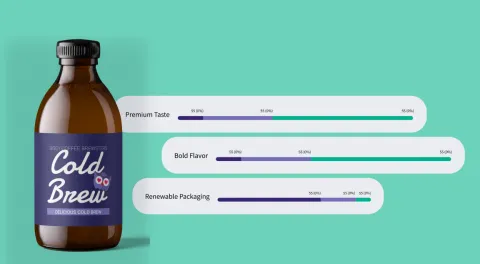
By infusing the power of generative AI with advanced market research studies and survey tools, SightX makes collecting insights a breeze.

Green checkmark bullet point. Create a fully customized survey, study, or experiment with a prompt.
Green checkmark bullet point. Collect data from your chosen audience. 
Green checkmark bullet point. Receive fully analyzed and summarized results in seconds, revealing key insights and personalized recommendations.

Let us show you how simple it can be to collect powerful insights.


Estimated Read Time
3 min read

Talk is Chirp: What Twitter Users & Advertisers Really Think of Elon’s Takeover

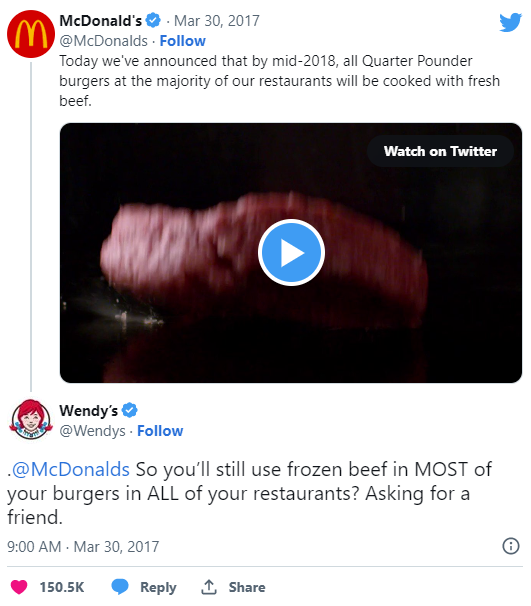
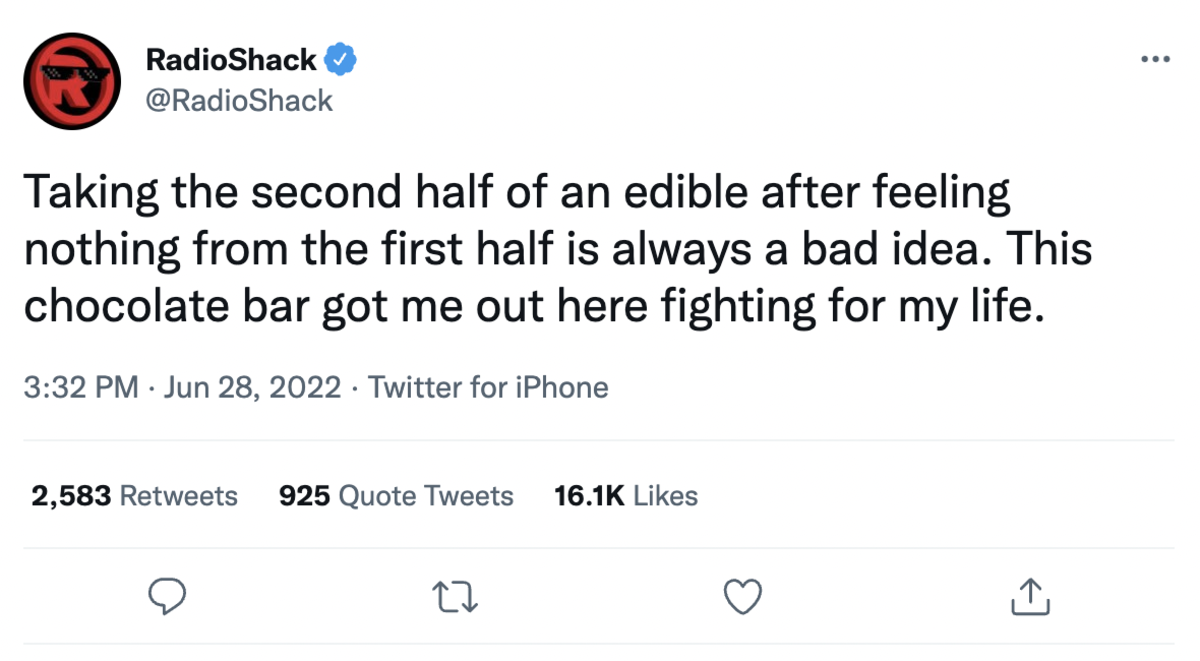
Brand Twitter. Also known as the wild west of social media. A place where brands are known to get a little (or very) rowdy, firing off Tweets that would make any legal department blush.

Here are just a few examples to illustrate what I mean: 

radioshack tweet 1

Screenshot 2022-11-08 163812


While this risky strategy might raise some eyebrows, Twitter users love it. In fact, some people go to brands like Wendy’s, Netflix, RadioShack, and Taco Bell specifically for this type of content.

So it came as quite a surprise when some brands began pulling their ad budgets from Twitter only days after Elon Musk’s takeover of the platform. And while no one can deny Elon’s controversial nature, the uproar over his new ownership stake in Twitter rapidly grew deafening before any changes were even announced.

This left us wondering, with all of the noise surrounding Twitter’s content moderation policies and advertiser’s apprehension: what do people really think about Elon’s Twitter takeover? How would advertisers actually respond to content moderation changes? And is all of this talk just that- talk?


What Advertisers Have to Say

First, let’s take a look at our sample. Who were the advertisers we surveyed?

Type=Default, Size=lg, Color=PrimaryMost (83%) managed Twitter accounts for  brands in-house.
Type=Default, Size=lg, Color=PrimaryTheir budgets varied greatly, but the majority (87%) reported spending between $1k and $7k per month.
Type=Default, Size=lg, Color=PrimaryAnd nearly half have been managing Twitter advertising accounts for the last 1-3 years

Now, let’s dig into the data.

When it comes to the new Twitter CEO himself, you might be surprised to know that most (72%) of our advertisers are actually quite optimistic about Elon’s takeover of the platform.

In fact, when presented with his recent statement on plans to make Twitter “the most respectable advertising platform” 60% believe he will succeed, and 32% think he will at least try to live up to that statement.

But there are two sides to every coin. Despite their optimism, advertisers are still worried.

Over half are concerned about their brand safety. Specifically when considering potential reductions in content moderation.

While the majority would prefer Twitter keep its current level of content moderation, it's worth noting that a large contingent (35%) wouldn’t mind seeing it reduced.

For those that wanted content moderation to stay the same or increase, nearly 70% said that lowering the amount of content moderation on the platform would cause them great concern for their campaigns. And 40% said that type of change would likely mean they would have to more closely monitor their campaign targeting and associated hashtags.


What Twitter Users Have to Say

First, a little background on the Twitter users we surveyed:

Type=Default, Size=lg, Color=Primary Most (nearly 70%) are very active on the platform, checking their feeds multiple times a day.
Type=Default, Size=lg, Color=PrimaryThe average user we sampled tweeted a few times a week.
Type=Default, Size=lg, Color=PrimaryAnd they use the platform for two main reasons: to keep up with or update those close to them and as a news source.

When it comes to platform positioning, 60% agree that Twitter is a good platform for sharing thoughts and discussing ideas. However, over half believe it is divisive and actively deepening ideological rifts in our society.

And when it comes to hate speech, 54% believe Twitter has given bigotry, racism, and anti-Semitism a place to fester.

So, what about Elon Musk's vision for Twitter's future?

Much like their advertising counterparts, the majority are optimistic about Elon's takeover of the platform.

When it comes to freedom of speech (one of Elon’s key concerns), we found that people are quite split. Just over half believe that Twitter has actively limited free speech.

But interestingly enough, when asked whose speech is being limited...no one can really say. In fact, 60% think the platform is fair to both conservative and liberal viewpoints.

When it comes to the content allowed on the platform, nearly half would like the level of moderation to stay the same. While the remaining users were split between wanting more relaxed moderation (26%) and stricter moderation (24%).

Clearly, the issues surrounding Twitter are complex and often cause a bit of doublethink. 

It seems, at its best, Twitter can be a force for good and a tool for healthy debate. But, at its worst, is harboring hate speech and driving further cultural and political divides.

No matter where your opinions may lie, it's clear that the platform's tumultuous history and uncertain future have advertisers and users alike on their toes. 


Estimated Read Time
3 min read

[INSIGHTS] Consumers & Inflation: What Brands Need to Know

Inflation has hit U.S. consumers hard, forcing many to change their spending habits drastically. This has caused major turbulence for brands in nearly every industry.

We began tracking this issue over a year ago when the consumer price index had just begun shifting. The data- later presented at Quirks NY 2021- gave us some interesting insights into how consumers were bearing the economic stress.

This summer we followed up on that study to gauge where consumers stand a year later and how much has changed for them since 2021.


How are consumers feeling? 

It should surprise no one that consumers are currently feeling a bit more sensitive to price than usual. But just how sensitive are they? 

50% rated their price sensitivity an 8 or higher out of 10. 

34% of people reported an increase in their price sensitivity this year- paying closer attention to the price tags on everything they purchase. That number is up 5% from last year and shows us the concern is only continuing to grow. 

As expected, all of this is leaving consumers pretty stressed out. Nearly 60% said they’re more stressed than this time last year. This means brands will likely need to lead with empathy as we all weather the economic storm. And if you're interested in learning more about what brand empathy looks like, check out our piece with Vox Media: Insights & Innovation: The Importance of Empathy in Reaching Consumers


How are consumers cutting back? 

So this all begs the question, how are consumers adjusting? 

The biggest trend we are seeing is a shift away from restaurants and takeout. In fact, nearly 7 out of 10 people are now making more meals at home to save money. 

Similarly, many are cutting down on other non-essential habits, like:

 Type=Default, Size=sm, Color=Success46% are avoiding “fun” spending

Type=Default, Size=sm, Color=Success33% are thinning their subscription services (up 6% from 2021) 

Type=Default, Size=sm, Color=SuccessAnd 25% are spending less on entertainment


blog-graphic (1)-1


Cutbacks: Sector by Sector Analysis 

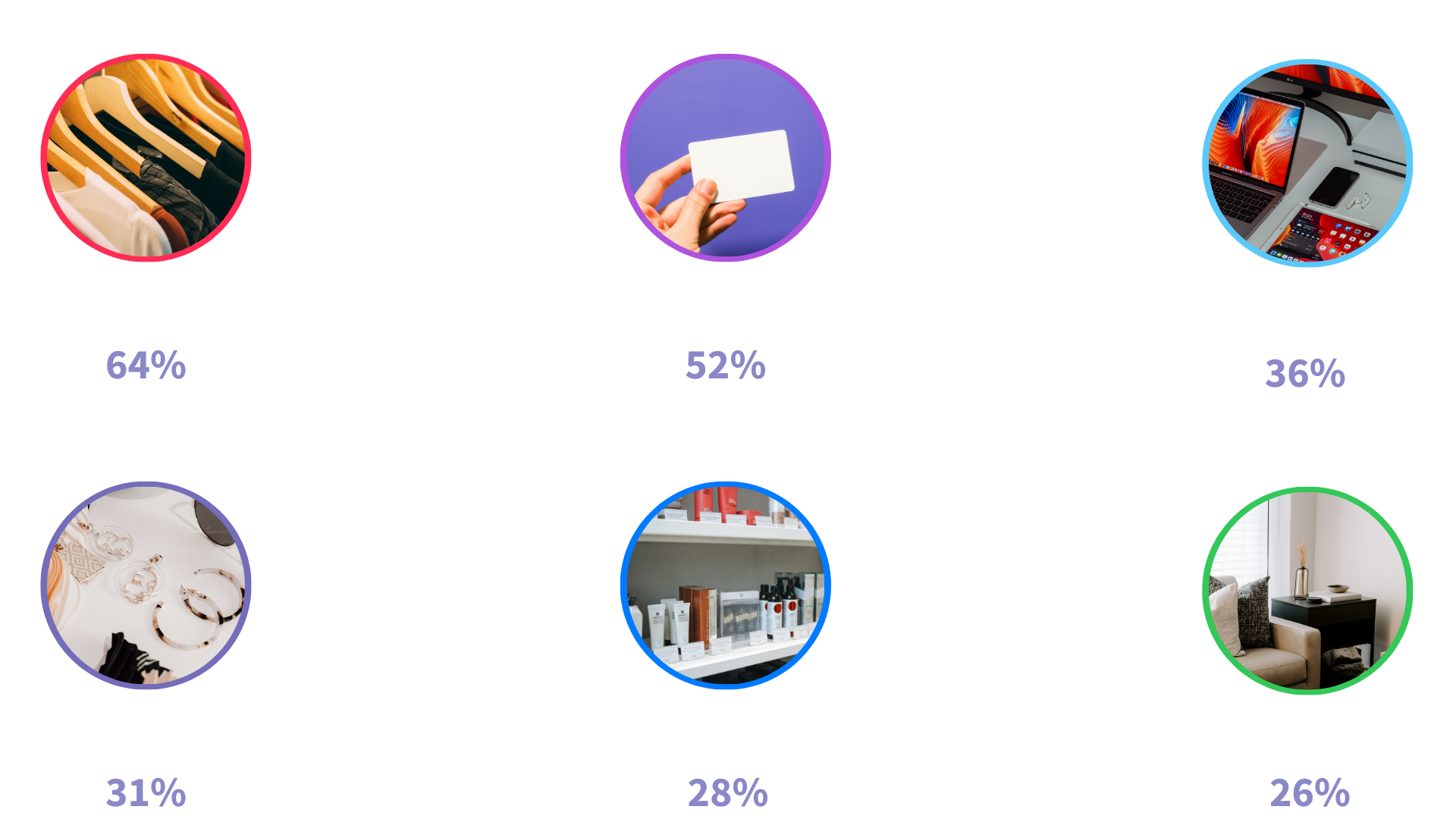
So what industries should expect the largest cutbacks in consumer spending? The data below shows the percentage of people who plan to spend less in a given category:

Add a heading (1)


Stability: Sectors with Consumer Spending Consistency

Despite the cutbacks, there are quite a few areas where consumers plan to keep their spending consistent. The data below shows the percentage of respondents who plan to spend roughly the same amount in a given category:

Copy of Add a heading-2


buhex-searchWhen it comes to groceries, not only did 47% of respondents plan to keep their spending consistent, but 32% plan to actually up their grocery spending, likely due to inflation. 
 

What (if Anything) Encourages Consumers to Splurge?

Now for the question I’m sure many of you have been asking- are people willing to spend more on anything? And if so, what?

In our respondent pool, half are willing to splurge for higher quality items. But we should note, that this is down 7% from 2021. This means the impact of quality may be lessened due to inflation. 

Interestingly, nearly a third of respondents are willing to spend more for convenience, up 4% from last year. This contradicts our earlier findings and hints that the resolve to cut back on restaurants and takeout may diminish quickly. 

The final factor is brand loyalty. Of our respondents, 30% were willing to splurge on brands they trust. Which makes building and growing customer loyalty more important than ever.

Getting Your Insights with SightX

The SightX platform is the next generation of automated market research tools: a single, unified solution for consumer engagement, understanding, advanced analysis, and reporting. Allowing insights, marketing, and CX teams to start, optimize, and scale their insights workflow.

Remove the guesswork from your current insights strategy by going directly to the source. Reach out today to start a free trial!


Estimated Read Time
2 min read

4 Things that Will Defy Your Perceptions of Gen Z

Like so many generations before them, Gen Z is having a moment in the spotlight. And as they share their voice and preferences with the market, brands across nearly every industry are paying top-dollar just for a chance to win their business.

Data on their values, behaviors, and habits have become the gold standard. But with so many data points swirling around the internet, generalizations and stereotypes can take hold easily and without much evidence. Gen Z is often painted in broad strokes as a monolithic generation with a liberal mindset and heart for activism. And while it may be true for some, it glosses over so many of the unique attributes of our most diverse generation yet.

So, we partnered with JUV, a marketing firm created and run by Gen Zers, to explore some of those perceptions, and differentiate the myths from the data.

The team used the SightX platform to survey a US-based sample of 1,538 respondents that identified as GenZ, between the ages of 14-24. Those respondents came from representative geographic locations and ethnicities in the United States. The survey itself asked respondents multiple-choice questions relating to their top values, important activities, experience with social media, and the ways they develop connections with brands.

Young people don’t just wanna have fun

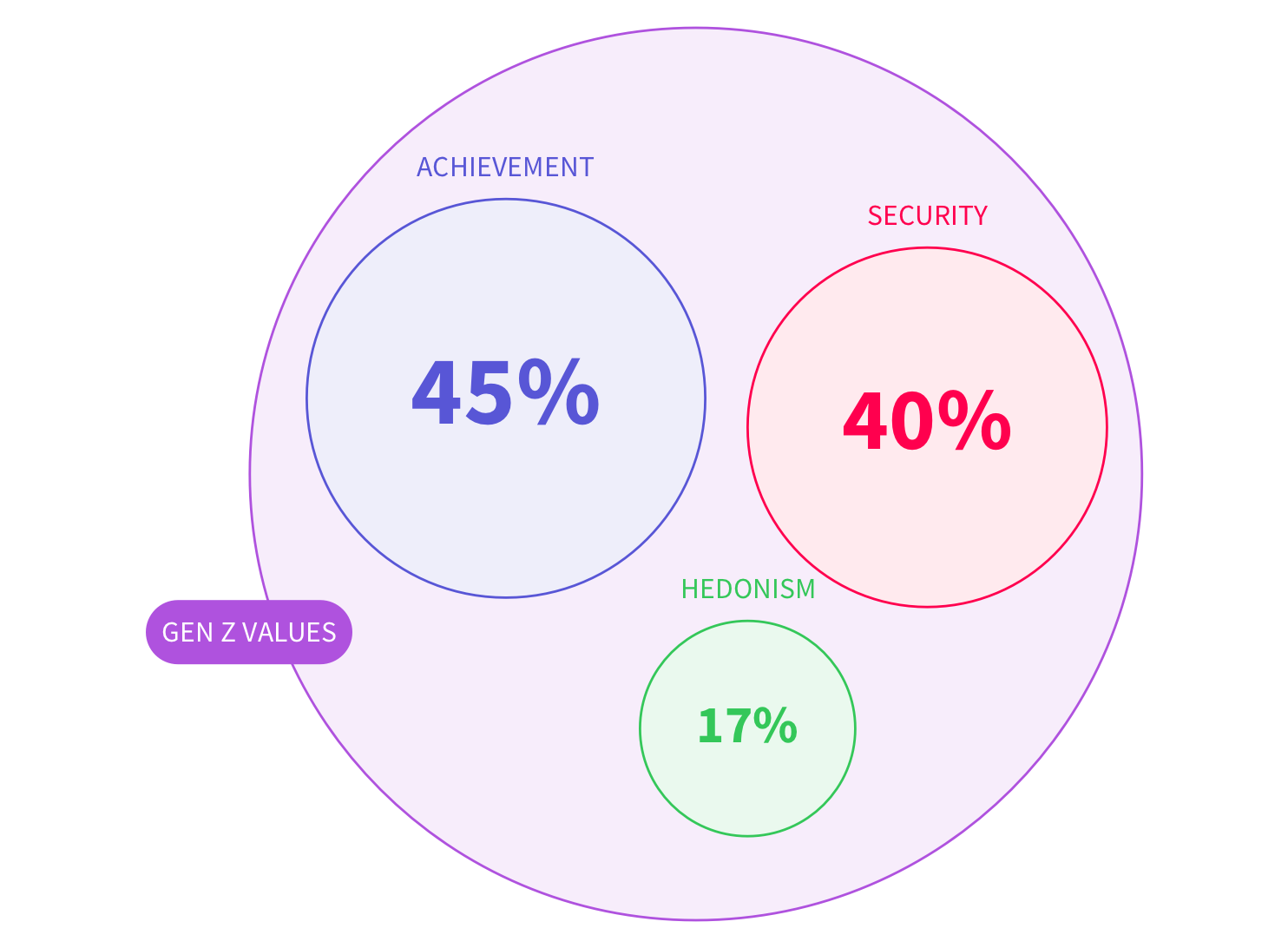
Values are complex for Gen Z. While they are quite a young group (ranging from 14-25), values like achievement (45%) and security (40%) by and large surpass those like hedonism (17%). But, while there is little doubt that the fallout from the pandemic has affected Gen Z, it’s important to remember—this isn’t their first economic crisis. Many saw a similar scene during the recovery from the Great Recession and witnessed a vast widening in the US wealth gap throughout their lives.

SightX article image 1

It’s also important to keep in mind that Gen Z is on track to become the most educated generation yet, which comes with a heavy dose of student loan debt.

With all this combined, it shouldn’t come as a surprise that as Gen Z ages, they place a higher value on stability and success. Unlike many of the generations that came before them, it appears they won’t be easily swayed by the siren song of self-indulgence.

Looks aren’t everything

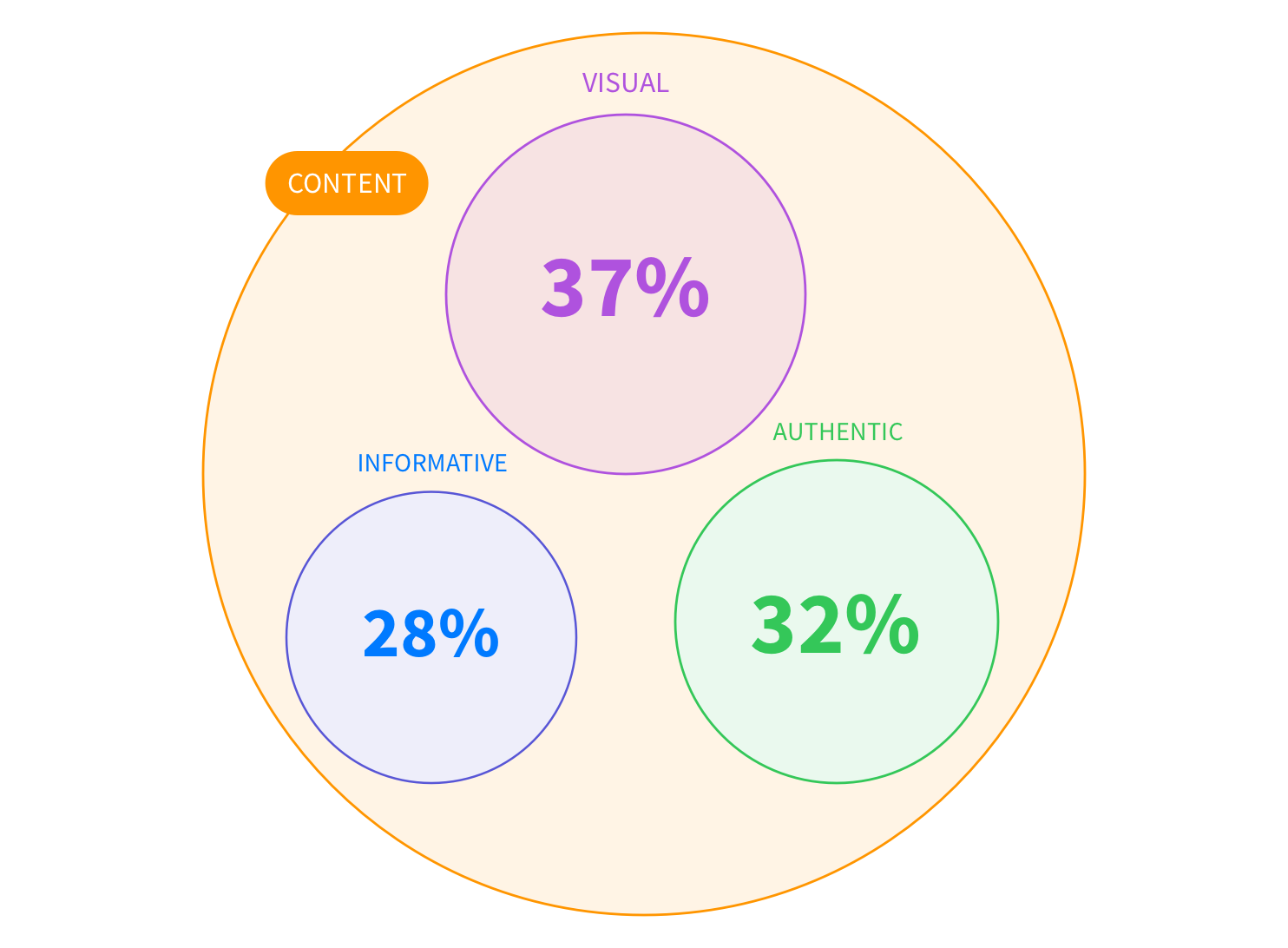
While it’s no secret that Gen Z overwhelmingly prefers visual content (37%) when it comes to learning about brands, there is more to the story than typically reported. It turns out that being authentic (32%) and informative (28%) can work nearly just as well.

SightX article Image 2

It’s imperative for brands to be transparent and communicative, especially when showing support or raising awareness for causes — Gen Z looks to see how brands go about addressing such issues and take this information into consideration when choosing which brands to purchase from.

Gen Z likes to see brands leading the charge and educating their followers on social media. Sharing art or informational graphics on an important topic or event goes a long way with a large segment (41%) of Gen Z respondents.

Celebrities & influencers aren’t as beloved by Gen Z

Influencer marketing is expected to be a $13.8 billion market in 2021. But brands may be remiss to hear that those efforts likely make little impact on Gen Z. Only a handful of respondents (5%) reported enjoying celebrity appearances or takeovers on a brand’s social media. And even less (4%) reported attraction to brands that used celebrity influencers.

There could be many explanations for this change of heart, be it the inauthenticity that comes with celebrity or the way many of the ultra-rich flouted pandemic guidelines throughout 2020. But no matter the cause, it’s clear Gen Z has little love for celebrities.

While micro-influencers appear to be slightly more popular (14%), it may be safer to assume that neither is a home run. It is likely that brands are overvaluing the impact that celebrity influencers have.

About half of Gen Z wants brands to “show the receipts”

In 2020, many brands dove headfirst into conversations surrounding public health, social justice, and equality. But, as time has passed, many (if not most) have toned down their stance or gone silent entirely, and Gen Z has taken note.

But while publicly stating support for a cause is a great start, it’s not quite enough. To authentically stand with a cause in a way that builds trust for Gen Z, brands need to show proof (47%). But, this support doesn’t have to only be monetary. Creating petitions, educating followers, and sharing actionable ways for others to get involved can be just as helpful. Because more than anything, using the power of your brand for good may be the simplest way to connect with Gen Z.

Gen Z is subverting the stereotype

The young people today are much different than their predecessors. While we may all share preconceived notions of each generation, our research proves Gen Z’s nuanced perception of the world.


This article was originally published on ResearchWorld

Estimated Read Time
3 min read

Let's Go to the Movies: Exploring the New Media Landscape

While it’s no secret that entertainment has been trending towards streaming for the last decade, the recent COVID-19 pandemic seems to have solidified these changes. 

In fact, since the pandemic began, many people who were once theater-going fanatics have been slow to return- instead opting to watch the latest content from the comfort of their own homes. 

Despite these shifts, entertainment giants like Disney recently announced a move to theater-only releases for their upcoming blockbusters.

But this begs the question; are people ready to return to their pre-pandemic movie-going habits? Could this isolate mega-fans and casual movie-goers alike? Or, is this exactly the push we need to get us back in theaters? 

We decided to investigate. 

Setting the Stage

Long before any of us knew what was to come in 2020, streaming had already made seismic shifts in the entertainment space. 

The first real shockwave came in 2007 with the launch of Netflix’s streaming service. During those early days, most of the content found on these platforms was simply pre-existing (see: old) movies and TV shows. But all of that changed in 2012 when Netflix released its first original show. Not long after, Amazon and other platforms followed suit. And the rest is (modern) history. 

Theaters, however, remained the bastions of big-budget blockbuster content. That is, until 2020, when studios were faced with a difficult choice: hold back new content until the "end" of the pandemic, publish it via a streaming platform, or opt for a simultaneous release? 

Unfortunately, no route has offered a guaranteed path to success. Leaving many of us to wonder where movie theaters will stand in the coming months and years. 

Key Findings

Multiple studies, including our own, show that while Americans are returning to activities like dining out, socializing, and shopping, they have been a bit more hesitant to return to their pre-pandemic entertainment behavior. 

Movie theaters have been hit especially hard. Over half of our respondents reported feeling that the pandemic negatively affected their interest in going to theaters. Obviously, this comes as no surprise for most of us. 

But, what is surprising, are the factors that seem to hold sway for many consumers. 

In-Home vs In-Theater Experiences

People enjoy watching content at home- this is nothing new. 

But, as the pandemic forced studios to release new movies directly to streaming platforms, people have gotten the chance to enjoy a new type of content from their couch. And they now place a high value on the experience. So much so, that if entertainment companies hadn’t moved to theater-only releases, a good chunk of our respondents (43%) would have likely chosen to watch upcoming new releases at home. 

What's more, nearly 55% stated they would wait to watch a new movie at home over watching it in theaters. 

Honestly, it's hard to blame them. Not only is home viewing more convenient for most, but it is also safer and much cheaper- especially when factoring in concessions. In fact, nearly 45% of our respondents stated that they were unlikely to see a movie in theaters within the next three months. 

A Silver Lining

While this may seem like bad news for studios and theaters, there is a silver lining. 

A non-insignificant number of people do miss their pre-pandemic movie-going habits- 31% of our respondents would still rather go see a movie in theaters, over watching it at home. 

That segment may not be large enough to prop-up box office numbers, but there is another interesting data point in-favor of theater-only releases. 

It turns out, that if there's one thing that can encourage people to head into their local theater, it's a new release!

In fact, more than two-thirds of our respondents reported new releases as a crucial motivator for theater-going; winning out over other potential advantages like screen size, 3D technology, and even the opportunity for family bonding. 

Not only will the move back to theaters capture audiences who already prefer this viewing format, but it seems even those that grew to love in-home releases may be persuaded to return to theaters for the latest and greatest content. 

What Theaters Can Do

The final major factor that holds influence is simply the theater itself. Specifically, their safety policies- or lack thereof. 

About half of respondents believe that theaters are doing the best they can to keep people safe. And we should note, the majority of the remaining respondents were simply unsure if the safety precautions are truly enough to make an impact. 

Thankfully, respondents readily provided some insight into what would make them feel the safest. Enforcing a mask mandate (43%), implementing capacity restrictions (40%), having a strict cleaning policy (38%), and even mandating vaccines (32%) were the most popular suggestions that respondents gave. 


While it may take some time to return to our "usual" entertainment habits, it appears that consumers are at least open to coming back. But, it will be up to studios to reel in viewers with enticing content and theaters to provide safe and clean environments. 


About SightX

As with all our insights projects, this study was built, distributed, and analyzed with SightX- an all-in-one platform for human understanding. For studies like these, we can easily go from ideation to insights within a week- allowing us to stay on top of the trends we're covering. 

The SightX platform is the next generation of consumer insights tools: a single unified solution for consumer engagement, understanding, advanced analysis, and reporting. And it's not just great for content creators; product, marketing, branding, and CX teams at leading organizations use SightX to transform the way they work. 

Start a free trial today!

Estimated Read Time
4 min read

Insights: Exploring Cancel Culture & Redemption

Avoiding transgressors is hardwired into the human brain. Since early groups of people began to form communities, turning away from those who caused harm has been used as an effective form of societal punishment. 

Today it is widely know as cancel culture. And within the last 3-5 years it has been the subject of many heated discussions. 

So we decided to dive headfirst into the debate and put our cancel culture assumptions to the test. In our study, we set out to: 

Type=Default, Size=sm, Color=SuccessGauge the overall public temperature on cancel culture.
Type=Default, Size=sm, Color=SuccessUnderstand who / what it is that drives cancel culture today.
Type=Default, Size=sm, Color=SuccessAnd explore opportunities for redemption. 


Setting the Stage

By definition, cancel culture is the public withdrawal of support and vocal criticism of a person, company, or entity; usually, after they have done or said something considered objectionable. And while it may feel like just the latest addition to a particularly contentious political landscape, it isn’t exactly a new phenomenon. 

In ancient Greece, a similar practice was known as ostracism. And it involved sending an individual into exile for a decade based on the results of a popular vote. In fact, in Politics Aristotle stated that ostracism was instituted as a public failsafe, allowing common people to check the power of political figures. However, he also made sure to note that it wasn't always applied fairly or intelligently. 

In more recent history, it began as an online “call-out” culture and served to highlight the harmful actions of public figures in hopes of educating a wider audience. But, over time, it evolved into something much more drastic. 

And while there is much (much, much, much) more that we could say about the history and current state of cancel culture, we will end our truncated history lesson here and dive into what we found. (However, if you're interested in learning more about the roots of cancel culture, check out this piece from Vox News)


The Usual Suspects

Key Findings:

Type=Default, Size=sm, Color=Success47% of respondents believe cancel culture is unhealthy for society. 
Type=Default, Size=sm, Color=SuccessThe vast majority (71%) of respondents reported having never participated in cancel culture.
Type=Default, Size=sm, Color=Success49% of those who had, reported social media as their top influence over friends, family, or colleagues. 

At the risk of pointing out the blatantly obvious, people are very divided on this topic. 

Much like anything these days, we found that a person's political affiliation is a strong predictor of where they fall on the support-to-opposition spectrum surrounding cancel culture. However, that is only one small piece of a larger story.

Using the automated segmentation tools in the SightX platform, we discovered that there were three distinct personas at play; those who saw cancel culture in a positive light, those who saw it negatively, and those who were still unsure. 

While this wasn’t necessarily a surprise, the common traits and beliefs each group shared were. 

Cancel Culture Defenders 

Those who saw cancel culture as a positive and productive way to express their beliefs were the minority (24%). After investigating their demographics, we found that they were mostly millennials (66%) between the ages of 25 and 44. They were also the most diverse of the three groups, with a varied blend of ethnicities represented. They were the most educated, with 62% of the respondents in this group holding at least a 4-year degree, and in the highest income bracket, with nearly 40% having a household income of at least $100,000. 

When it came to their beliefs, we quickly saw a divergence from the expected. While this group was the most likely to have participated in cancel culture, they were also the most likely to fully believe a “canceled” person or entity could redeem themselves and make a comeback- if done correctly.

 Generally, they seemed to be looking for canceled people or brands to take a step back once called out, and reconsider their offending action. Apologizing, educating themselves, shifting their mindset, and working to help those they may have harmed were all mentioned as crucial steps that could be taken towards redemption. Which would explain why they were also the most likely (70%) to support the creation of a “forgiveness culture”. 

Cancel Culture Critics 

The respondents who saw cancel culture as a harmful addition to our society were a slightly larger group (31%). Digging into their demographics, we found that they were most often baby boomers (54%), ages 55 and up. The majority were Caucasian (74%) and most had at least attended some college, if not received a degree. 

When it came to redemption, they were the most likely to be unsure or disagree (70%) that a canceled entity could work its way back into public favor. This points to a major disconnect from those who seem to perpetrate cancel culture, who readily believe in the possibility of forgiveness. 

We also explored their feelings on recently canceled/altered products, sports teams, and media. Out of all of the changes made, we found that the (temporary) removal and subsequent pre-film warning added to Gone with the Wind was one of the most upsetting for this group. While they weren't particularly pleased with the Pearl Milling Company's re-brand or the removal of certain Dr. Seuss books, it seems that Gone with the Wind struck a cord that distressed many of these respondents.

Both of these findings point to the fact that fear and nostalgia may play a larger role in this group's opposition to cancel culture than we believed. 


Stuck in the Middle

While we dove into the extremes during our analysis, it’s crucial to remember that a large number (45%) of respondents ended up somewhere in the middle. Just like many of us, the people we surveyed were not quite sure whether cancel culture is healthy, helpful, or even informative. 

With the uncertainty and fear surrounding this topic, it's easy to lose sight of the underlying fact that each side is just trying to do what they believe is best for society.  As is often the case with emotionally-charged topics, open dialogues that lead with empathy and seek to understand a differing view point will likely lead to improved outcomes for us all. 


Estimated Read Time
4 min read

Insights & Innovation: The Importance of Empathy in Reaching Consumers

As we round the corner on the pandemic and take tangible steps towards normalcy, only one thing is certain: empathy will be key.

Throughout the last 15 months, we have experienced a collective loss. As we emerge from our quarantine cocoons to chart a path forward, many will be feeling pain, fear, and hope for the future.

As part of our ongoing research with Vox Media, we set out to explore the ramifications of the COVID-19 pandemic and its impact on both consumers and brands. We sought to understand:

Type=Default, Size=sm, Color=SuccessThe types of loss experienced and coping mechanisms people turned to. 
Type=Default, Size=sm, Color=SuccessHow people feel about a return to pre-pandemic activities and what they believe brands can do to ease the transition.
Type=Default, Size=sm, Color=SuccessThe role consumers want brands to fill moving forward. 

Loss and Its Impact on Consumer Mindset

While we cannot overlook the fact that some people did experience personal gains in 2020, 75% of consumers experienced some form of loss this past year- often in multiple aspects of their lives: 

Many felt the loss of time, social connection, or their own health the hardest. 

And all of this loss heavily affected mindset:

  • 66% of respondents reported feeling negative, choosing words like “tired”, “frustrated”, or “tense” to describe the moment.
  • 46% believed that life will continue to be difficult,
  • 45% felt pressured to go back to life as it “used to be”. 

However, it is worth mentioning that there may have been a bright spot among the clouds, with some people noting they felt closer to their families and gained a stronger sense of their personal identity after this last year.


The Ways We Cope & What It Means for Brands

While understanding the collective loss is a great start, shifting the focus to coping will be even more critical for brands looking to connect with consumers. 

To better understand how individuals are coping with loss, we used the Coping Circumplex Model- based on the assumption that individuals in stressful situations face two tasks: the need to solve the problems created by loss and the need to regulate their emotions. 

Despite the many types of loss experienced, there is consistency in the way people cope. We found that most turned to “acceptance” with nearly 60% of respondents hoping to learn and grow from the experience. Similarly, nearly half of consumers used planning to manage their situation and emotions. 

Turning to media was another major coping method for consumers, many choosing to escape reality through TV, movies, social media, music, or podcasts. For brands, the takeaway is simple: be present and take part in activities happening in the media space. Not only for awareness but to be a part of the cultural “coping moment” that we all collectively feel.

Some consumers found themselves turning to indulgences, vices, and denial. While 39% chose to indulge in sugary snacks and sweets, nearly the same number (33%) chose to focus on their physical health- turning to workouts to manage their stress and anxiety.

Turning to alcohol, drugs, or overeating was present- but much less common. Through our study, we found that those who had lost the most in terms of personal identity were more likely to turn to their vices. Often, these people happened to be young (43% under the age of 34) women (54%).

What Will The Future Hold? 

Despite their current state of mind, 67% of consumers feel some sense of positivity for the future- looking to find peace and calm after the last year. But, even though consumers are feeling hopeful, it’s clear that they are not quite ready for active incitement or control by outside forces.

What does this mean for brands? It means you may need to create a safe space for consumers to gently coax them towards action. 

Overall, the data showed that consumers are generally becoming much more comfortable with a return to pre-pandemic activities- with most happy to gather with family and friends, dine at a restaurant, or travel.

When it comes to spending, consumers are ready to invest in themselves- using their money to support life changes and see friends and family after a long 15 months apart. 

But make no mistake, there won’t be (many) shopping sprees. In fact, only 9% said they will spend on things like they’ve never spent before. 

And, some good news for the travel industry, vacations are definitely on the horizon. 50% of consumers noting they had a trip planned in the next 6 months.

How to Meet New Consumer Expectations

Most of the people surveyed (84%) expect brands to participate in the ongoing process of reconnecting with "regular" life. 

In 2020 many brands changed their messaging and mission to focus on meaningful change and supporting underserved communities. It should come as no surprise that consumers don’t expect that to end. Similarly, they want brands to play an active role in our return to normalcy, albeit with a reserved and safety-focused approach. 

After so much time in isolation, consumers want brands to help them reconnect with others and build a sense of community- whether it be through events or simply a push for inclusivity.

Moving into the next phase of post-pandemic life will be an adjustment for us all, brands and consumers alike. To be successful brands will need to keep empathy top of mind and refrain from pushing consumers towards a desired action. Instead, they’ll need to slow down and do a little hand-holding to foster authentic connections that last. 

We always enjoy working with our research partners at Vox Media to share topical and applicable consumer insights. If you're interested in more, see our stories on Political Polarization and Social Media

To see the full findings of our latest research, see the story on Vox Media.

Estimated Read Time
4 min read

Insights & Innovation: Getting Past Polarization with Responsible Journalism

Do our self-identified labels polarize us more than our actual policy opinions? 

As part of our on-going research with Vox Media on public policy perspectives, social media habits, and media consumption- we engaged with 2,500 Americans ahead of inauguration day to seek out answers. We sought out to: 

  • Assess the extent of our polarization on hot-button issues. 
  • Identify areas of consensus. 
  • Chart a new path for media organizations.
  • Articulate the role of the everyday consumer in advocating for healthier discourse. 

Our findings were impactful and showed us that there could be a lot more middle ground than we realize. While 47% of Americans feel upset with the “other side", 77% enjoy content that shows both sides of the story. And one critical component to finding common ground will be vastly improving our media diets. 

We are always glad to work with our valued research partners and friends at Vox Media to share crucial insights with market research professionals and interested individuals alike.

See the full findings here.

Want to learn more about consumers' media habits? See our previous piece with Vox Media, Breaking the Algorithm, to find out how a deeper understanding of our digital diets can help us create a meaningful shift towards healthier algorithms.

Estimated Read Time
1 min read

Smart Solutions for Extraordinary Times: How Simplicity Leads to Malignancy

Today our lives are more complex than ever before—but our physical lives are being crammed into a digital life oversimplified by algorithms.

In partnership with one of our founders, Naira Musallam, Edwin Wong of Vox Media discusses how algorithms are oversimplifying our complex world and leading to a regression of empathy and action.

He then examines journalism’s role in providing much-needed nuance and what marketers can do.

Do yourself a favor and listen to this wonderful presentation here.


Screen Shot 2020-11-10 at 4-25-12 PM


Estimated Read Time
1 min read