

 2 min read
For years, most organizations approached consumer research the same way.
A question emerged. A study was designed. Data was collected. Insights were presented. Then the process started again the next time a decision needed support.
This project-based model worked when research timelines were slower and stakeholder demand was limited.
But today’s environment looks very different.
The Shift From Projects to Continuous Research
Product teams iterate rapidly. Marketing campaigns evolve in real time. Leadership expects decisions backed by evidence. And organizations need insights that arrive while decisions are still being shaped.
In The Modern Consumer Research Playbook, we explored why this shift is happening and what it means for research teams. But once organizations understand how the landscape is changing, the next question is usually more practical: how do you actually run research this way?
That’s where the Modern Research Workflow Field Guide comes in. If the Playbook explains what’s changing, the Field Guide is designed as a quick desk reference for how modern teams operationalize research in practice.
From Isolated Studies to Connected Workflows
To meet these demands, leading companies are shifting away from isolated studies toward something more powerful: connected research workflows.
Instead of treating research as a series of disconnected projects, modern teams design systems that continuously generate learning.
The Modern Research Workflow Backbone
At the center of this approach is a simple but powerful workflow backbone:
Evaluate → Understand → Prioritize → Adapt
Each stage supports a different type of decision, while insights accumulate over time rather than starting from scratch with every study.
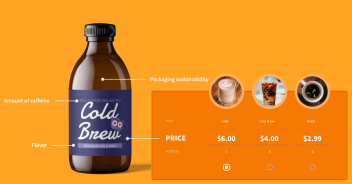
Evaluate: Pressure-test ideas early before investing significant resources.
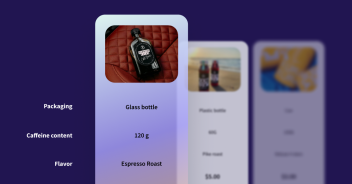
Understand: Build a deeper picture of customers and their needs.
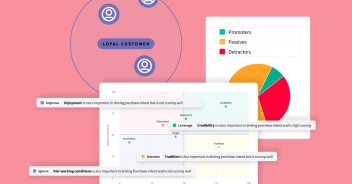
Prioritize: Identify the drivers that most strongly influence outcomes.
Adapt: Continuously refine products, messaging, and experiences as new insights emerge.
How Connected Workflows Accelerate Decisions
When these stages connect, research becomes far more than a reporting function. It becomes an ongoing decision engine.
Turning Methods Into Decision Systems
This shift doesn’t require abandoning familiar research methods. Concept testing, segmentation, key driver analysis, and longitudinal tracking still play important roles. What changes is how those methods are organized and operationalized.
High-performing teams design workflows that allow these methods to run faster, integrate more easily, and produce insights that stakeholders can act on immediately.
The result is a research function that moves at the pace of modern business.
Teams can evaluate ideas in days instead of weeks.
Stakeholders gain access to insights while strategy is still evolving.
Decisions are grounded in evidence rather than opinion.
In other words, research becomes a continuous capability rather than a series of one-time projects.
Introducing the Modern Research Workflow Field Guide
To explore what these workflows look like in practice, we created The Modern Research Workflow Field Guide.
Inside, you’ll see how modern organizations structure research workflows for rapid concept evaluation, audience understanding, prioritization, and continuous optimization.
If your team is looking for ways to move faster while maintaining rigor, it’s a practical starting point.
Share this post